Planet of the Apes original movies in order Planet of the Apes Marathon
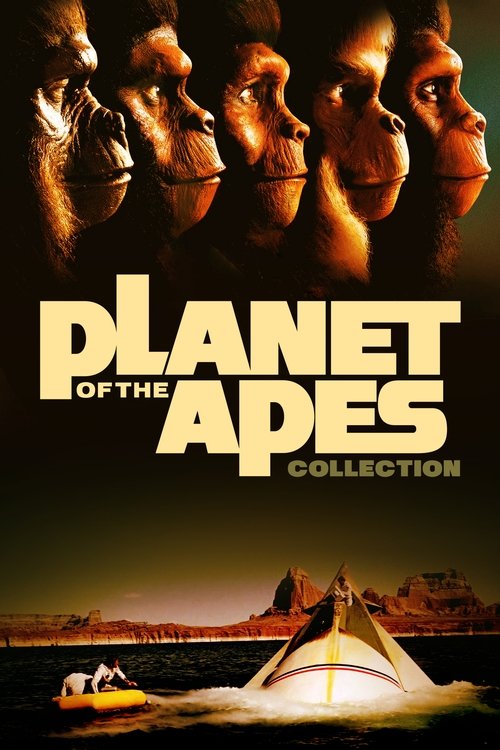
Marathon Details
Page Last Modified:
23 December 2025
Most Recent Release:
Battle for the Planet of the Apes - 1973
Total Runtime:
486 Minutes
Total Items:
5
Average User Score:
(6.4)Planet of the Apes original movies in order
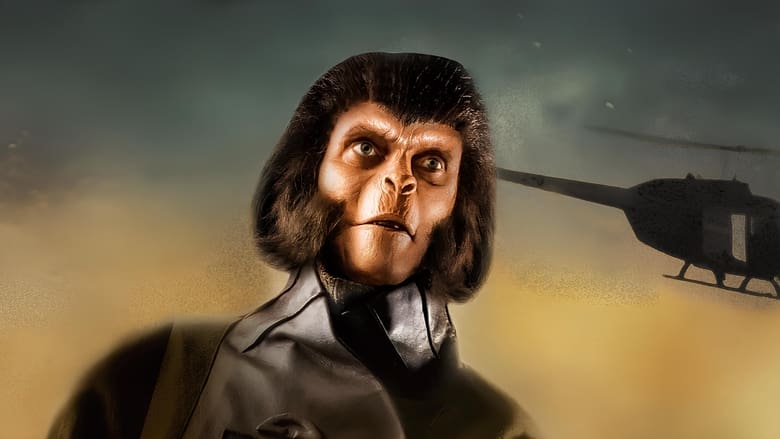
The classic Planet of the Apes movies from the 60s and 70s offer a journey through apocalyptic tension, philosophical ideas, and apes in robes. With time travel, flashbacks, and rebellions, the viewing order can become a real puzzle. That's why we've put together the ultimate Planet of the Apes movie marathon, in order from the first one to the most recent one. Grab your popcorn, turn on Airplane Mode, and get ready to be whisked away to a world where apes rule and humans whisper.
-
 1
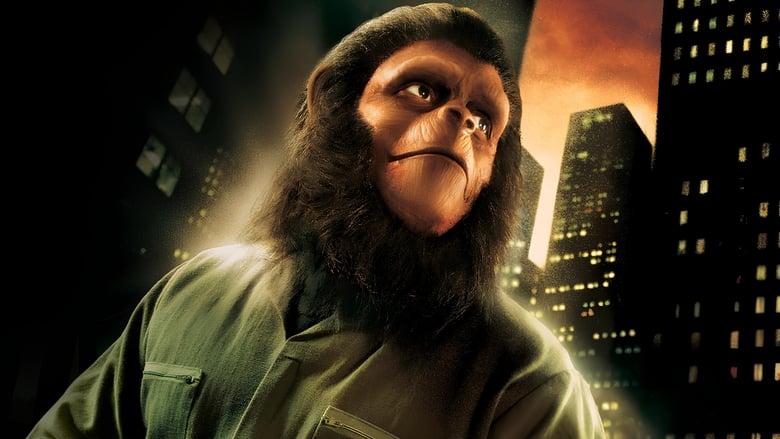
Conquest of the Planet of the Apes Movie 88 min. 1972In a futuristic world that has embraced ape slavery, a chimpanzee named Caesar resurfaces after almost twenty years of hiding from the authorities, and prepares for a revolt against humanity.USER SCORE 6
1
Conquest of the Planet of the Apes Movie 88 min. 1972In a futuristic world that has embraced ape slavery, a chimpanzee named Caesar resurfaces after almost twenty years of hiding from the authorities, and prepares for a revolt against humanity.USER SCORE 6 -
 2
Battle for the Planet of the Apes Movie 93 min. 1973The fifth and final episode in the Planet of the Apes series. After the collapse of human civilization, a community of intelligent apes led by Caesar lives in harmony with a group of humans. Gorilla General Aldo tries to cause an ape civil war and a community of human mutants who live beneath a destroyed city try to conquer those whom they perceive as enemies. All leading to the finale.USER SCORE 6
2
Battle for the Planet of the Apes Movie 93 min. 1973The fifth and final episode in the Planet of the Apes series. After the collapse of human civilization, a community of intelligent apes led by Caesar lives in harmony with a group of humans. Gorilla General Aldo tries to cause an ape civil war and a community of human mutants who live beneath a destroyed city try to conquer those whom they perceive as enemies. All leading to the finale.USER SCORE 6 -
 3
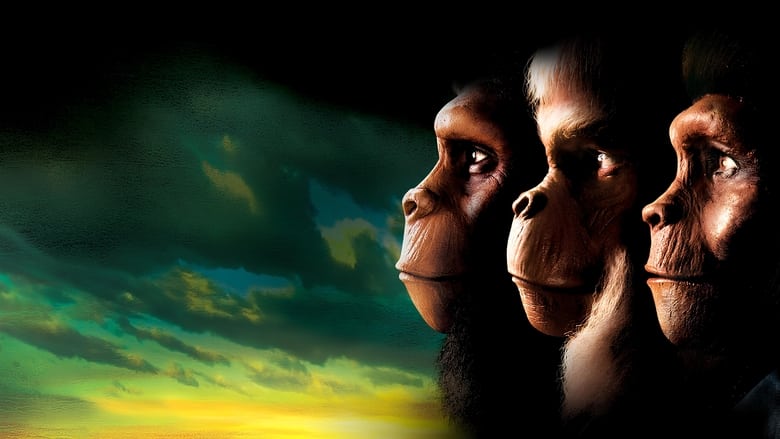
Planet of the Apes Movie 112 min. 1968Astronaut Taylor crash lands on a distant planet ruled by apes who use a primitive race of humans for experimentation and sport. Soon Taylor finds himself among the hunted, his life in the hands of a benevolent chimpanzee scientist.USER SCORE 8
3
Planet of the Apes Movie 112 min. 1968Astronaut Taylor crash lands on a distant planet ruled by apes who use a primitive race of humans for experimentation and sport. Soon Taylor finds himself among the hunted, his life in the hands of a benevolent chimpanzee scientist.USER SCORE 8 -
 4
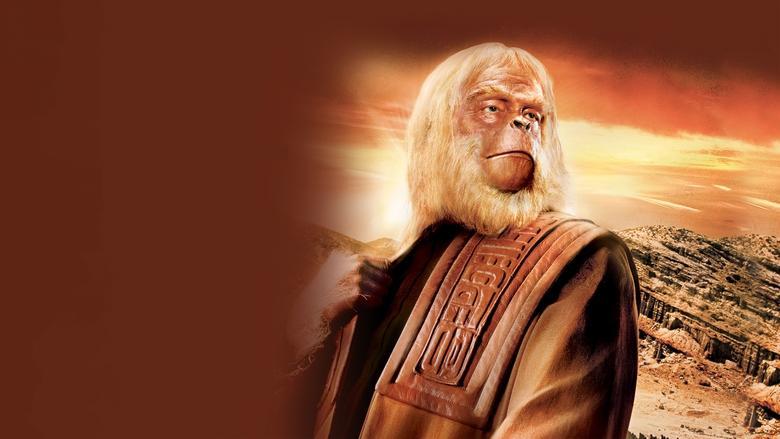
Beneath the Planet of the Apes Movie 95 min. 1970The sole survivor of an interplanetary rescue mission lands on the planet of the apes, and uncovers a horrible secret beneath the surface.USER SCORE 6
4
Beneath the Planet of the Apes Movie 95 min. 1970The sole survivor of an interplanetary rescue mission lands on the planet of the apes, and uncovers a horrible secret beneath the surface.USER SCORE 6 -
 5
Escape from the Planet of the Apes Movie 98 min. 1971The world is shocked by the appearance of three talking chimpanzees, who arrived mysteriously in a spacecraft. Intrigued by their intelligence, humans use them for research - until the apes attempt to escape.USER SCORE 6
5
Escape from the Planet of the Apes Movie 98 min. 1971The world is shocked by the appearance of three talking chimpanzees, who arrived mysteriously in a spacecraft. Intrigued by their intelligence, humans use them for research - until the apes attempt to escape.USER SCORE 6
Conquest of the Planet of the Apes (1972)
Conquest of the Planet of the Apes. Yeah, we're not starting with the original 1968 movie, but hey, this is a time travel paradox, so what do you know. In this film, you see Caesar, the son of Cornelius and Zira, growing up in a world where apes are treated as slaves. The tone is dark, the atmosphere is tense, and you can feel we're on the brink of something monumental. Roddy McDowall is back, playing Caesar, and he gives an intense performance that starts the ape uprising. This film sets the stage for everything that comes after it, or at least everything that came before it.
Battle for the Planet of the Apes (1973)
In this direct follow-up to the uprising, you see Caesar trying to build a peaceful society after the revolution. Gorillas, orangutans, and chimps now live with us, but there's a lot of tension beneath the surface. Battle for the Planet of the Apes isn't as over-the-top as the last one, but it's still a key part of the story. You can expect to hear a lot of philosophical discussions about power, justice, and the future of the species. The film also goes deeper into where the ape lawgiver came from and the first hints of the intelligent ape society we know today. Bonus points if you spot the subtle parallels with human history.
Planet of the Apes (1968)
It's finally time for the classic, the film that started it all (but actually comes later in the timeline): Planet of the Apes (1968). Director Franklin J. Schaffner and actor Charlton Heston (as George Taylor) set a sci-fi milestone that's still legendary today. Taylor's crash landing on an unknown planet, his discovery of an ape culture, and that iconic Statue of Liberty twist make this an absolute must-see. What's really captivating is how the post-apocalyptic Earth and themes of humanity, power, and evolution come together in a visual and narrative masterpiece. Pro tip: Watch this with friends who haven't seen it yet and count the seconds until they say "oh my god."
Beneath the Planet of the Apes (1970)
This sequel picks up right where the first one left off, but it introduces a new main character. Brent, played by James Franciscus. He's looking for Taylor, but then he finds out there's more to the story, literally. Beneath the Planet of the Apes introduces telepathic mutants and their bizarre worship of a nuclear bomb. Don't worry, Nova (Linda Harrison) is back, as is Dr. Zaius (Maurice Evans). It's got a darker vibe, the action is amped up, and the deeper meanings are super interesting. Get ready for a crazy exciting ending that takes the franchise's message to a whole new level.
Escape from Planet of the Apes (1971)
After the craziness of the last movie, this one takes a completely different turn. Cornelius and Zira (played by Roddy McDowall and Kim Hunter) travel back in time to contemporary Los Angeles. This film is smart, funny, and sometimes heartbreaking. Now, humans are the ones studying the apes, and the roles have literally been reversed. But beneath that lighter layer lies a serious threat, as humanity realizes what their future holds... the atmosphere turns grim. Don Taylor's latest addition to the Planet of the Apes timeline is a surprisingly emotional one, with an ending that'll stick with you.
Why This Order Works
This chronological viewing order: Conquest, Battle, Planet, Beneath, Escape, might seem like a brain teaser, but trust us: it works. You'll follow Caesar's rise, the creation of the ape society, the downfall of humanity, and ultimately the time travel that turns everything upside down. It's a clever twist that fits right into the Planet of the Apes lore. If you watch the films in this order, you'll see how themes of power, fear, and evolution build over time. This gives you a much richer understanding of the evolutionary cycle for which the franchise is famous.
Extras for the True Fans
Want to dive even deeper into the ape lore? There's the Planet of the Apes TV series (1974) and the Planet of the Apes comics that expand the universe even more. In the TV series, we follow Galen, played by Roddy McDowall, the franchise's heart and soul, and two human travelers in an alternate timeline. The comics, based on Pierre Boulle's original story, go deeper into the hierarchy of gorillas, orangutans, and chimps, giving more context to the ape lawgiver and the evolution of their society. These are perfect for when your marathon didn't feel long enough.
Retro Sci-Fi at Its Best
What makes these films so timeless is how they deliver sharp social commentary beneath their retro vibe. Think rubber ape masks, funky soundtracks, and seventies aesthetics. It's not just a fun popcorn movie. It's about serious stuff like nuclear apocalypses, racism, and power structures. It's science fiction with a soul. And trust us, once you're hooked on this world, you'll see even the smallest details from the forbidden zone to the mutant underground cult in a whole new light.
Plan your perfect ape marathon
So, do you want to spend a weekend lost in a world where apes talk, humans are silent, and everything begins with a time travel twist? If you're looking for a great escape, this Planet of the Apes movie marathon is the way to go. Invite some friends, put a few bananas on the table (you know you want to), and binge-watch this classic sci-fi franchise in the only order that truly works. And don't forget to take breaks for trivia discussions or just to process what you've seen. In the world of Planet of the Apes, the question always comes up: who's the real ape here?